How Climate Change Is Affecting Wildlife Right Now
How Climate Change Is Affecting Wildlife Right Now
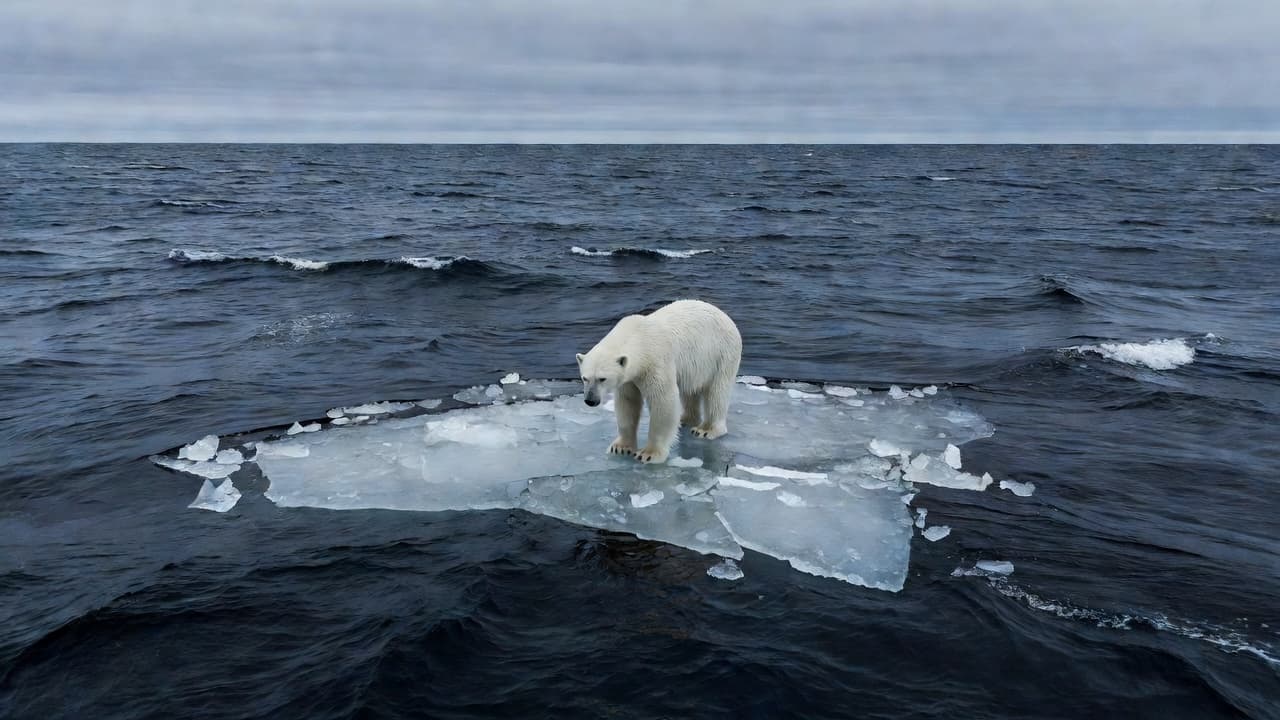
A shorebird reaches its nesting ground and finds the insect rush has already passed. Far north, a polar bear steps across ice that breaks apart too soon. Climate change is already changing life in the wild.
You can see it in shifting seasons, hotter water, longer droughts, and harsher storms. Animals are being pushed to move, breed at the wrong time, or survive with less food. The biggest impacts are easier to grasp when you look at habitat, timing, risk, and the wider web of life.
What climate change does to wildlife habitats and food sources
Wildlife doesn't lose only space when climate shifts. It often loses meals, shelter, and breeding ground at the same time. Wetlands dry out, sea ice melts early, forests burn hotter, and streams warm beyond what cold-water species can handle. Even protected lands are seeing these changes, as the National Park Service explains.
A grassland may still look open and alive, yet its plants can flower earlier and dry faster. That change ripples upward. Fewer seeds can mean less food for rodents and birds. When prey drops, predators feel it next.
Why changing seasons confuse migration, mating, and nesting
Many animals live by a natural clock. They use heat, rainfall, daylight, and food signals to decide when to move or breed. Now those signals are slipping out of sync.
Migratory birds can arrive after the peak hatch of insects their chicks need. Some amphibians begin breeding after warm rain, but temporary ponds dry before tadpoles finish growing. In forests, earlier springs can push leaves and caterpillars forward by days or weeks. Birds that travel long distances often can't adjust that fast.
The problem isn't only bad timing. It's missed opportunity. A nest built at the wrong week can mean fewer young survive.
How extreme weather turns safe places into dangerous ones
Heat waves, drought, floods, strong storms, and wildfire hit wildlife directly. Nests wash away. Water holes shrink to mud. Young animals overheat before they can find shade or water.
Recovery is harder now because disasters often stack up. A forest burned one summer may face drought the next. A marsh flooded by salt water may not rebound before another storm hits. Across ecosystems, WWF's overview of climate threatsshows the same pattern: harsher shocks and less time to recover.
Some damage lasts for years. Old trees lost to severe fire can take decades to return, and many birds need those mature trunks for nesting holes. A reef hit by marine heat can bleach fast, while full recovery, if it happens, takes far longer.
Which animals are feeling the climate change impact on wildlife the most?
Some species can shift range or change habits. Others can't. Animals with narrow habitat needs, slow reproduction, or special diets usually face the highest risk.
Cold-weather species, coral reef life, and other high-risk groups
Cold-weather animals are among the clearest examples. Polar bears and some seals depend on sea ice for hunting, resting, and raising young. When ice forms later and breaks up sooner, they lose both platform and prey access.
In the ocean, warm water can bleach corals by forcing out the algae that help keep them alive. Once coral reefs weaken, many fish lose shelter and food. Reef systems still look colorful for a time, but their living structure starts to fail.
Mountain species face a different trap. Pikas, marmots, and other alpine animals move uphill to stay cool, yet the mountain eventually runs out. Freshwater species also feel the squeeze. Trout and salmon need cold, oxygen-rich water, so warming streams can leave them stressed, crowded, or blocked from breeding areas.
Amphibians are another high-risk group because their skin and eggs dry out easily. Some whales are affected too, especially when warming seas shift the krill or fish they follow.
What happens when invasive species and diseases move in
Warmer conditions can help unwelcome species spread into places that used to hold them back. Milder winters let some insects survive in larger numbers. Bark beetles, for example, can damage vast stretches of forest, and that loss strips cover and food from birds and mammals.
Disease can travel with the heat as well. Mosquitoes, ticks, and water-borne pathogens can move into new latitudes or higher ground. Amphibians already stressed by heat or shrinking wetlands may be less able to survive infections. The National Wildlife Federation's habitat guide shows how even small habitat shifts can weaken wildlife before a pest or disease arrives.
Invasive plants and fish add another burden. Native species often lose out because they are already stressed by hotter water, lower flows, or less reliable food.
Why wildlife loss affects more than animals alone
Wildlife is part of every working ecosystem. When pollinators decline, fewer plants set seed and fruit. When predators disappear, prey can overgraze young trees or wetland plants. When reef fish vanish, algae can take over damaged coral.
Those changes reach people too. Forests store carbon and slow erosion, but they work best with healthy webs of birds, insects, mammals, and fungi. Wetlands with strong fish and amphibian populations help filter water and buffer floods. Oceans with balanced food chains support fisheries and coastal economies.
What disappears from the wild doesn't stay there. The loss moves through farms, rivers, shorelines, and food supplies.
Conclusion
Wildlife is living on a moving map. Habitats shift, food peaks earlier, and extreme weather breaks apart places that once felt stable.
Still, action matters. Protecting habitat corridors, restoring forests and wetlands, cutting pollution, and supporting conservation work give species a better chance to adjust. When we protect wildlife, we also protect the living systems that steady our own lives.


Comments
Post a Comment